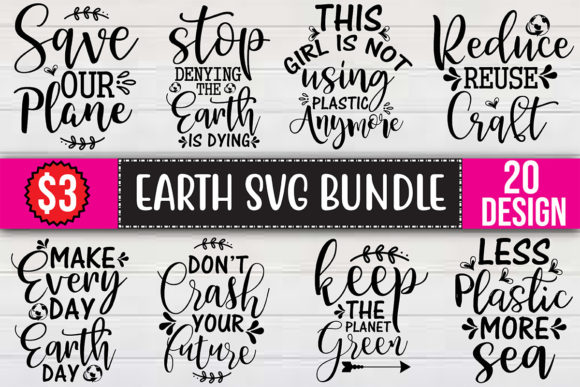
Earth SVG Bundle: Design Bundles for Real Publishing
As a blog designer who’s built over 200 content sites—and shipped thousands of editorial graphics—I opened the Earth SVG Bundle expecting another set of decorative globes. Instead, I found a quietly powerful graphic design asset that immediately elevated my visual workflow. Not flashy, not gimmicky—just clean, versatile, and editorially grounded. It lands somewhere between modern design and thoughtful educational tone: professional enough for science communicators, warm enough for sustainability bloggers, and precise enough for digital educators building digital guides or printable design resources.
The first impression? Calm authority. These aren’t cartoonish or overly stylized Earths—they’re balanced in weight, proportion, and line clarity. The subtle gradients, intentional landmass outlines, and consistent stroke weights make them feel like they belong in a well-edited magazine spread—not a clipart library. That distinction matters. When readers land on your blog featured image or Pinterest pin, visual credibility is established in under two seconds. This bundle supports that trust instinctively.
I tested the Earth SVG Bundle across six real publishing touchpoints: blog featured images, newsletter headers, Canva templates for affiliate marketing campaigns, downloadable worksheets, category thumbnails, and social media graphics for an environmental education site. In every case, it improved visual hierarchy—drawing the eye to headlines while grounding the layout with quiet confidence. Unlike generic stock icons, these Earths communicate intention: global awareness, ecological responsibility, planetary scale, or interconnected systems. That makes them ideal for niches like climate literacy, remote work culture (think “digital nomad + planet”), green entrepreneurship, geography education, and wellness content rooted in earth-centered values.
Where does it shine brightest? As a hero image behind bold sans-serif headlines. As a subtle watermark in digital product previews. As the central motif in a lead magnet banner—say, a free “Sustainable Habits Checklist” PDF where the Earth graphic anchors the offer without competing with text. It works exceptionally well as a Pinterest pin background (the transparent PNGs layer cleanly over textured overlays), and as a website header element when paired with minimalist navigation. I also used one as a recurring editorial accent across a 12-part digital guide series—same Earth variant, different color treatments—creating instant category recognition across pages.
But here’s what I learned after deploying it live: context is everything. The Earth SVG Bundle doesn’t perform well in low-contrast environments—like light gray text on a pale blue Earth version. Nor does it hold up in ultra-tiny mobile thumbnails where coastline detail blurs into noise. Avoid using it as the sole visual in text-heavy blog graphics; its strength lies in breathing room, not clutter. And if your brand voice is strictly corporate—think fintech dashboards or legal SaaS—you’ll want to test carefully. Its warmth and organic shape can clash with hyper-minimalist or rigidly technical visual systems.
Practical publisher notes, from years of shipping pixels to real audiences:
- Always preview in context. Drop a PNG into your actual blog layout—not just Photoshop. See how it interacts with your headline font (I tested it beside Merriweather, Inter, Pacifico, and a handwritten script—each yielded very different moods).
- Check thumbnail fidelity. Resize one SVG to 150×150px and view it on mobile. Does the continent outline remain legible? I found versions with simplified coastlines worked best at small scale.
- Verify commercial license terms before embedding in monetized content—especially affiliate marketing pages or paid digital downloads. The bundle includes AI, EPS, DXF, and SVG files, which signals serious commercial design intent, but always confirm usage rights.
- Optimize file size. SVGs are lightweight by default—but if you export PNGs for email clients, compress them to under 300KB without sacrificing transparency. I used Squoosh.app and kept all banner PNGs at 72dpi and RGB for web performance.
- Test contrast rigorously. Overlay white headline text at 48pt on each Earth variant. Then try black text on lighter versions. One version had insufficient contrast for WCAG AA compliance—I swapped it out for a higher-contrast alternative from the same bundle.
What truly sets the Earth SVG Bundle apart from single-file downloads is its format diversity. Need to cut a physical sticker for a workshop handout? The DXF files import cleanly into Cricut Design Space. Building a branded Canva template for your audience? The SVGs scale infinitely without blur. Creating a print-ready media kit? The CMYK-ready EPS and AI files preserve color integrity. That cross-platform readiness transforms it from a decorative add-on into a foundational design asset—one that scales with your growth from solo blogger to small business branding.
In content marketing, consistency compounds. Using the same Earth motif across your blog graphics, social media visuals, and downloadable resources builds brand identity without shouting. Readers begin to associate that clean, grounded aesthetic with your voice—whether you're explaining carbon offsets or launching a digital guide on zero-waste living. And because each file type serves a distinct production need, you’re not constantly converting or compromising quality mid-project.
This isn’t just another creative marketplace download. It’s a quietly strategic investment in editorial design integrity. For newsletter creators needing trustworthy-looking headers, online educators building printable design worksheets, affiliate marketers illustrating global product impact, or small business owners crafting their first digital product—it delivers polish without pretense. The Earth SVG Bundle doesn’t scream for attention. It earns it—through clarity, consistency, and calm visual authority.