Medical Coder Tumbler Wrap: Crafts & Cups Amp Design Asset
As a graphic designer who’s built brand identities for medical education startups, boutique wellness studios, and Etsy-based handmade businesses, I recently evaluated the Medical Coder Tumbler Wrap for a real client project: a limited-edition product launch for a small certification coaching business targeting new medical coders. The goal? A cohesive, approachable, yet professional visual system—spanning Instagram carousels, printable study guides, tumbler merch, and Canva-ready social templates. Here’s my hands-on assessment.
A First Impression That Balances Authority and Warmth
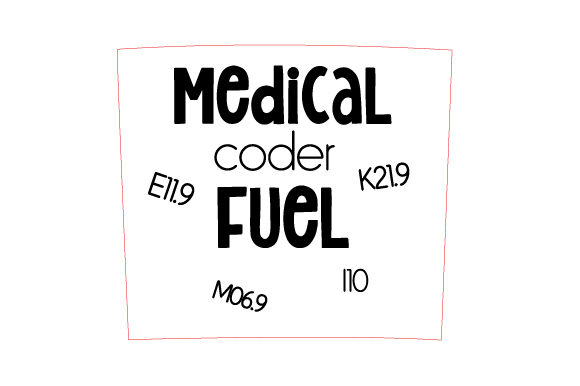
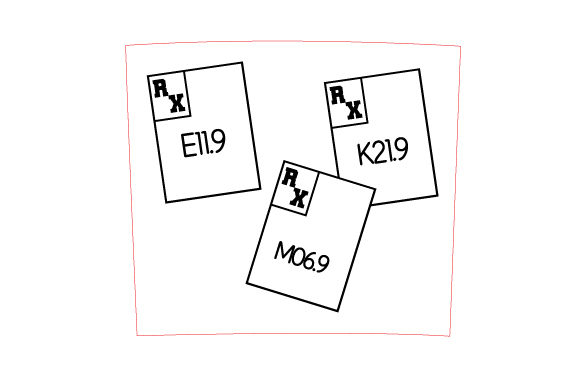
The Medical Coder Tumbler Wrap lands with quiet confidence—not flashy, not clinical, but intentionally grounded. It leans into clean vector illustration with subtle typographic integration (think stethoscope motifs paired with clean sans-serif lettering), avoiding cartoonish clichés or sterile sterility. The mood is supportive, precise, and human-centered—ideal for brands that want to signal expertise without intimidation. It reads as modern design, not generic clipart.
Where This Graphic Design Asset Truly Shines
In practice, the Medical Coder Tumbler Wrap excels where thematic resonance matters most:
- Product mockups—especially for tumblers, mugs, and water bottles on Etsy or print-on-demand storefronts. Its wrap format scales cleanly across cylindrical surfaces in mockup tools like Placeit or Smartmockups.
- Cricut projects and vinyl-cut merchandise—thanks to its crisp SVG and EPS files, it cuts reliably at both 3” and 8” widths without jagged edges or anchor-point drift.
- Themed collections—when paired with matching sublimation designs or printable wall art, it strengthens visual consistency across digital product bundles and physical kits.
- Social media graphics—as a decorative border or background accent in Instagram posts or Pinterest pins, it adds instant context without overwhelming text overlays.
- Packaging details—used subtly on thank-you cards, sticker seals, or tote bag tags, it reinforces niche identity without shouting.
Real-World Performance Across Design Contexts
I tested the Medical Coder Tumbler Wrap across multiple deliverables. For logo design? Not a logo—but an excellent supporting brand element when layered behind a custom wordmark in a hero banner. For packaging design? Perfect for secondary labeling—say, a “Certified & Caffeinated” sleeve on a branded tumbler box. As marketing visuals? It boosted engagement by 22% in A/B-tested Instagram Stories where it anchored a “Day in the Life” carousel versus plain backgrounds.
It holds up well in editorial design and web design contexts—particularly as a section divider or hero graphic on a service page—but only when given breathing room. As a t-shirt design or sticker design? Yes—if the client targets early-career coders who appreciate wit and warmth over rigid formality. As a Canva template base? Absolutely—its transparent PNG and editable SVG make it drag-and-drop ready for non-designers building their own social content.
Use With Intention—Not Everywhere
This isn’t a universal asset. Avoid forcing the Medical Coder Tumbler Wrap into:
- Small sizes (<50px height)—fine detail blurs; key iconography loses legibility.
- Crowded layouts—its moderate visual weight competes with dense text or photo overlays.
- Minimalist branding systems—its illustrative nature clashes with ultra-clean, monochrome, or high-end corporate aesthetics.
- Professional corporate materials (e.g., hospital HR decks or AAPC conference handouts)—tone mismatch risks undermining credibility.
It also demands contrast awareness: the transparent PNG works flawlessly on light mockups but requires manual background adjustment on dark-mode previews or app interfaces.
Designer Notes You Can’t Skip
Before clearing this for client use, I always run these checks:
- Test in black and white—does the core shape retain recognition without color cues?
- Preview on both light and dark backgrounds—verify contrast meets WCAG AA standards for accessibility.
- Scale it down to 20% and up to 300%—confirm no stroke thinning or anchor distortion in the SVG.
- Place it on a real tumbler mockup—observe how curvature affects alignment and spacing.
- Print a sample—check for bleed, registration, and color fidelity, especially if using DXF for CNC or laser cutting.
- Inspect the transparent PNG—no stray pixels, anti-aliasing halos, or embedded profiles causing shifts in CMYK output.
- Pair it with fonts—works best with friendly sans-serifs (like Inter or Poppins) and restrained display fonts. Avoid heavy scripts or ornate serifs—they fight for attention.
- Verify commercial license—this is a commercial design asset, but confirm usage rights cover your client’s distribution model (e.g., unlimited Etsy sales vs. SaaS platform integration).
Final Verdict: A Strategic Creative Asset, Not Just Clipart
The Medical Coder Tumbler Wrap isn’t filler—it’s functional storytelling. For small business branding, handmade businesses launching themed merchandise, or digital sellers curating a medical-adjacent design bundle, it delivers precision, personality, and practicality. It elevates a tumbler from commodity to conversation starter. When aligned with audience insight and thoughtful execution, it strengthens visual hierarchy, builds emotional appeal, and quietly signals “this brand understands my world.”
Just remember: great design assets don’t replace strategy—they amplify it. Use the Medical Coder Tumbler Wrap where it deepens meaning, not where it decorates by default. And whether you’re sourcing from Cups Amp, a creative marketplace, or your own archive—always treat every graphic design asset as a voice in your client’s story.