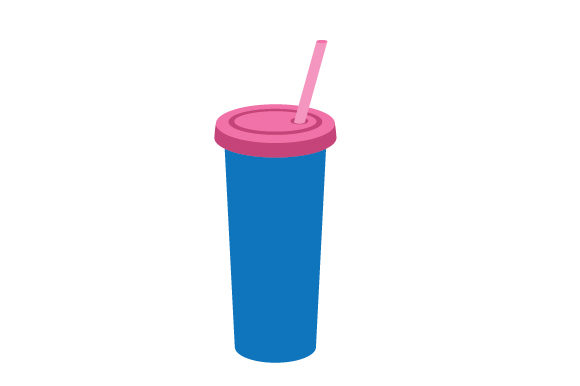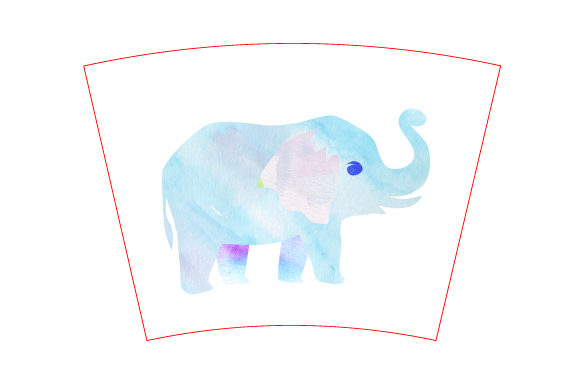
Watercolor Elephant Tumbler: Crafts & Cups Amp
As a brand designer who’s helped over 80 local businesses refine their visual identity—from neighborhood bakeries to handmade soap studios—I recently evaluated the Watercolor Elephant Tumbler for a real-world project: rebranding a children’s wellness boutique that sells organic teas, herbal bath salts, and reusable drinkware. My goal wasn’t just to assess aesthetics—it was to determine whether this graphic design asset could serve as a flexible, commercially viable element across packaging, labels, social media graphics, and in-store promotional materials.
A First Impression That Feels Intentional, Not Generic
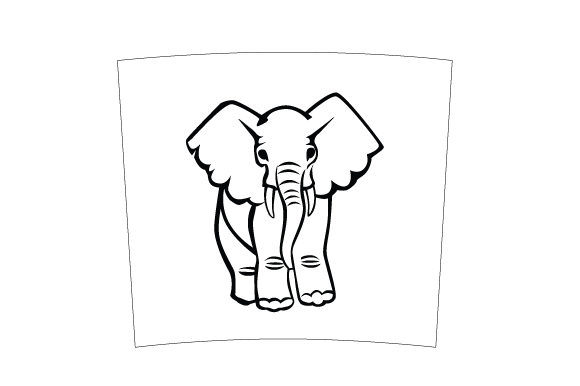
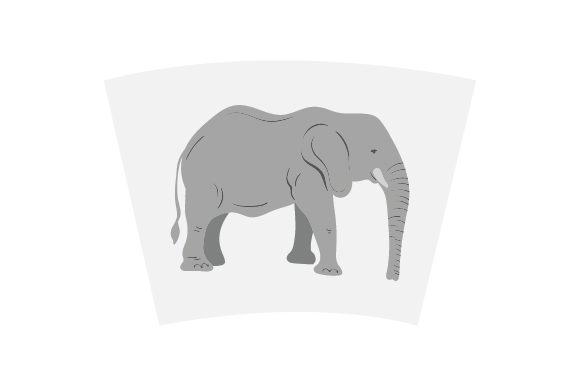
The Watercolor Elephant Tumbler lands with soft confidence—gentle washes of pigment, subtle texture, and a hand-painted looseness that reads as authentically handmade. It doesn’t shout; it invites. This isn’t bold, illustrative clipart. It’s quiet, warm, and emotionally grounded—evoking calm, care, and mindful living. For local businesses rooted in wellness, sustainability, or gentle luxury (think: candle brands, florists, baby product lines, or herbal apothecaries), it signals thoughtful craftsmanship, not mass production. It leans feminine without being saccharine, playful without sacrificing sophistication, and organic without feeling rustic or overly earthy.
Where It Strengthens Real Local Business Branding
In practice, the Watercolor Elephant Tumbler becomes a versatile anchor—not a logo, but a powerful supporting element within a cohesive brand identity. We used it across six touchpoints for our children’s wellness client:
- Product labels: Placed subtly beneath the product name on tea tins and bath salt jars—adding warmth without cluttering ingredient lists.
- Packaging accents: As a foil-stamped motif on kraft gift boxes and cotton drawstring bags—elevating perceived value instantly.
- Thank-you cards & hang tags: Printed on recycled paper stock, reinforcing brand personality at the moment of unboxing.
- Social media graphics: Layered over soft-toned backgrounds in Instagram carousels and Reels thumbnails—boosting recognition and scroll-stopping appeal.
- Seasonal campaign visuals: Paired with muted gold foil and linen textures for a “Back-to-Ritual” autumn launch—blending tradition with modern calm.
- Printable inserts: Included in subscription boxes as a keepsake illustration—deepening emotional connection beyond the transaction.
This kind of cross-platform consistency builds stronger first impressions, improves shelf appeal in boutiques, and supports clearer visual hierarchy—especially when paired with restrained typography and intentional negative space.
Where It Fits Best (and Where to Pause)
The Watercolor Elephant Tumbler shines brightest where atmosphere matters more than precision: hero banners on Shopify product pages, decorative elements on café menu boards, watermarked backgrounds for email newsletters, or delicate borders on printable recipe cards for food businesses. Its transparency-ready PNG and scalable SVG make it ideal for product mockups—whether you’re presenting a new tumbler line to buyers or generating lifestyle shots for Pinterest ads.
But it’s not universally deployable. Avoid using it in contexts demanding high legibility or strict formality: small ingredient panels on food labels, legal disclaimers, minimalist luxury branding (e.g., high-end skincare with monochrome serif systems), or crowded packaging where competing illustrations dilute focus. On low-contrast backgrounds—like light gray or beige—it can fade; always test against your actual label stock or web background. And never assume it works alongside every font—its soft edges demand breathing room beside script or display fonts, but pair beautifully with clean sans serifs like Inter or modest serifs like Lora.
Practical Designer Notes You Can’t Skip
Before locking it into your brand system, run these checks—especially if you’re designing for a client or launching physical products:
- Test on real packaging mockups—not just digital previews—to see how scale, bleed, and print texture affect its delicacy.
- Check black-and-white usage: Does the watercolor texture hold up in single-color print? (Spoiler: The SVG retains edge clarity; the PNG may soften.)
- Preview on small labels: At 1.5” width, does the elephant retain charm—or collapse into a blur?
- Test with your full brand palette: Does it harmonize with your primary and secondary colors—or fight them?
- Compare with competitor packaging: Does it help you stand out in a sea of flat vector animals or generic botanicals?
- Review SVG editability: Can you isolate and recolor individual watercolor layers? (This matters for seasonal variants—e.g., mint + lavender for spring, terracotta + sage for fall.)
- Confirm commercial licensing: Since this is intended for small business branding, product packaging, and physical goods, ensure the license covers resale, merchandising, and client work—not just personal use.
More Than Clipart—A Strategic Design Asset
Let’s be clear: the Watercolor Elephant Tumbler isn’t just another digital product from a creative marketplace. When applied with intention, it functions as part of a larger commercial design strategy—supporting better customer trust through visual cohesion, improving perceived professionalism in handmade business presentations, and adding emotional resonance to otherwise functional items like tumblers, tea boxes, or gift sets. It’s especially valuable for local businesses lacking in-house design teams: a single well-chosen illustration like this can unify everything from Canva templates to printed hang tags to Instagram Stories—without requiring custom illustration budgets.
For food businesses adding branded drinkware to their lineup, for boutiques curating giftable collections, or for marketers building seasonal campaigns around mindfulness or slow living—the Watercolor Elephant Tumbler delivers quiet impact. It’s not flashy. It doesn’t try to be everything. But in the right context—with thoughtful placement, smart scaling, and authentic alignment to brand voice—it becomes an essential piece of modern design infrastructure for real small business branding.