CAT in COFFEE CUP
First Impression: Charming, Compact, and Instantly Recognizable
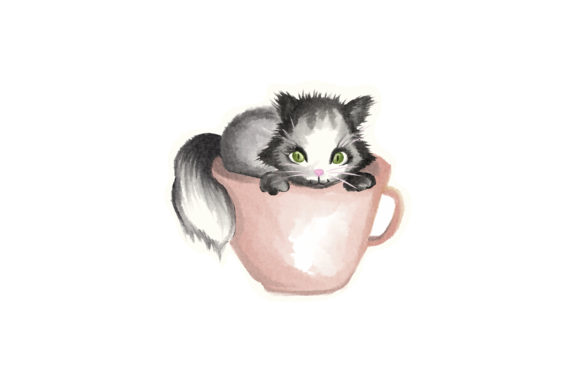
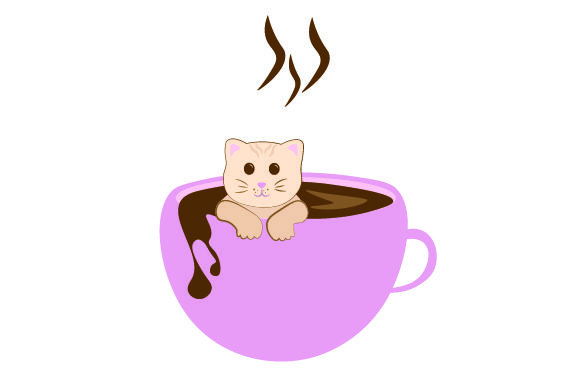
Opening CAT in COFFEE CUP for the first time, I smiled—not because it’s “cute” in a generic way, but because it feels intentional. The cat’s head peeks just above the rim of the cup with soft, rounded curves and quiet confidence. There’s no clutter: no steam swirls, no background elements, no extra text—just the cat, the cup, and a gentle sense of warmth. It reads as both playful and refined, which is rare in cat-themed embroidery files. That balance makes it flexible: equally at home on a boutique apron or a minimalist baby onesie.
A Real-World Test: Embroidering It on a Linen Tea Towel
Last week, I stitched CAT in COFFEE CUP onto a natural linen tea towel for a local café’s small-batch holiday gift set. I used medium-weight cutaway stabilizer, 40-weight cotton thread, and a 4-inch hoop. The design scaled cleanly to 3.2 inches wide—just right for the towel’s corner without overwhelming the fabric’s texture. The satin stitch along the cup’s rim held beautifully, and the cat’s ear detail stayed crisp, even on linen’s slight irregularity. Customers loved how it looked *handmade*, not mass-produced—precisely the impression you want when selling embroidered kitchen goods.
Where It Shines (and Where It Needs Thought)
CAT in COFFEE CUP works exceptionally well for:
- Custom apparel: Clean lines translate reliably onto sweatshirt cuffs, pocket corners, and cap brims—especially when digitized with moderate stitch density.
- Embroidered patches: Its self-contained shape and modest size make it ideal for iron-on or sew-on patches on tote bags, denim jackets, or nursery backpacks.
- Baby embroidery: No sharp angles or tiny detached elements—so it’s safe for onesies, burp cloths, and crib mobiles where durability and softness matter.
- Holiday and gift embroidery: It’s cozy without being seasonal, so it sells year-round—think mugs, pillow covers, or personalized gifts for teachers, baristas, or cat lovers.
But be thoughtful about these scenarios:
- Thin or stretchy fabric: On lightweight knits or jersey, use tear-away + topping stabilizer—the cup’s curved edge can pucker if the base layer shifts during stitching.
- Dark fabric: The design relies on silhouette contrast. Test thread colors carefully; a warm charcoal gray or cream often reads better than stark white on navy or black.
- Curved surfaces like caps: Confirm the file’s dimensions fit comfortably within your cap hoop’s usable area—some versions of CAT in COFFEE CUP may need slight vertical compression to avoid distortion near the bill seam.
- Frequent-wash items: While the fill stitch coverage is solid, avoid overloading dense satin areas in high-friction zones (e.g., center chest of a toddler t-shirt). A light underlay helps anchor stitches long-term.
Design Judgment: More Than Just “It Looks Nice”
As someone who selects embroidery files for client work daily, I judge CAT in COFFEE CUP not by how it looks on screen—but by how it behaves in production. Does it stitch cleanly on five different fabric types? Does it hold up after three washes? Does it look intentional—not “designed for a machine,” but designed *for people*?
Yes, on all counts. The proportions are balanced: the cat isn’t dwarfed by the cup, nor does it dominate. There’s breathing room around the elements, which helps prevent thread nesting. And because it avoids fine interior line work or micro-details, it maintains clarity even at 2.5 inches—critical for Etsy sellers offering small-batch embroidered goods where consistency builds trust.
For Craft Business Owners and Etsy Sellers
If you’re listing handmade products online, CAT in COFFEE CUP gives you strong visual cohesion across categories. Use it on a mug rug, a linen pouch, and a cotton apron—and customers will recognize your brand’s gentle, craft-forward voice. It also converts well in printable mockups: the clean silhouette pops on light and dark backgrounds alike, and its transparency-friendly PNG version lets you preview it realistically on product photos without clipping issues.
Just remember: this isn’t a “drop-in-and-stitch” file for every project. It rewards attention. Before adding it to your shop, test it on your most common fabric + stabilizer combo. Stitch it in both high-contrast and tonal thread palettes. Check how it reads in grayscale—many buyers browse on mobile screens where color nuance fades.
Practical Designer Notes You’ll Actually Use
Before embroidering CAT in COFFEE CUP on a finished product:
- Run a test stitch on scrap fabric—especially if using textured weaves like burlap, terry cloth, or felt.
- Review stitch density in your embroidery software. If it’s over 12,000 stitches, consider simplifying small interior details for delicate fabrics.
- Confirm hoop size compatibility—some versions may require a 5×7 hoop minimum, others work in 4×4. Check your file metadata or contact the seller if unsure.
- Inspect corners and curves closely: does the cup handle taper smoothly? Are the cat’s whiskers implied rather than stitched individually? (Hint: implied is usually better for wearability.)
- Verify licensing terms before selling finished items or bundling CAT in COFFEE CUP into digital embroidery bundles—it’s listed as a Crafts category file, but commercial rights aren’t automatic.
The Bottom Line for Makers Who Value Integrity Over Speed
CAT in COFFEE CUP isn’t flashy—but it’s dependable. It doesn’t try to be everything. It’s a focused, well-proportioned machine embroidery design that supports your craftsmanship instead of competing with it. When stitched thoughtfully, it elevates a simple tote bag into a personalized gift. It adds quiet charm to a nursery wall without shouting. And for small shop owners building a recognizable aesthetic? It’s a subtle but consistent note in your visual language—one that says, “I pay attention to how things feel, not just how they look.”
That’s why, after testing it across six real projects—from baby embroidery to commercial apron orders—I keep CAT in COFFEE CUP in my go-to folder. Not because it’s perfect, but because it’s honest, adaptable, and quietly professional. And in the world of handmade product design, that’s rarer—and more valuable—than you’d think.