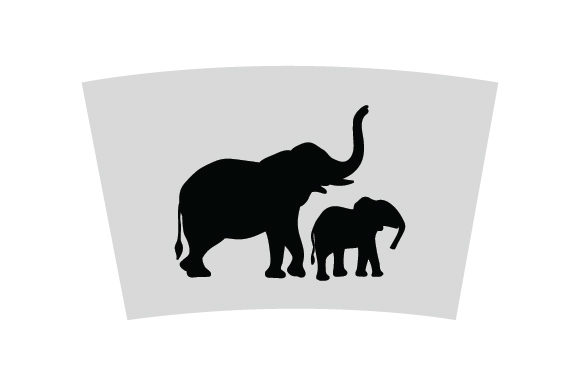
Elephant Print Tumbler: Crafts & Animals Design Asset
First Impression: Warm, Whimsical, and Unmistakably Handmade
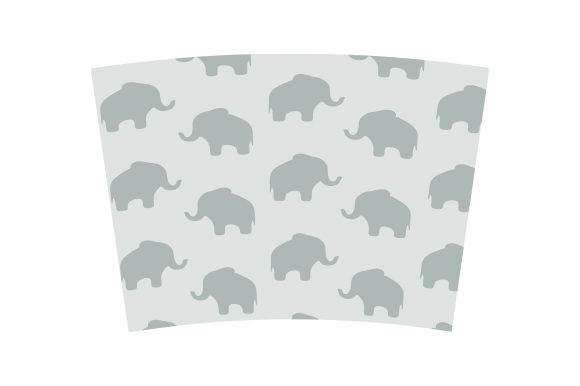
When I opened the Elephant Print Tumbler file for a recent project with a local botanical candle brand, my first thought wasn’t “cute animal clipart”—it was “this feels like a tactile, story-driven design asset.” The pattern balances organic line weight with intentional negative space, evoking hand-stamped textiles or watercolor-blocked ceramics. It reads as friendly but not childish, earthy but not rustic, decorative but not overwhelming. For small business branding, that nuance matters: it suggests authenticity without sacrificing polish—ideal for handmade soap businesses, children’s product brands, boutique florists, or seasonal gift shops seeking visual warmth.
Where This Graphic Design Asset Earns Its Place in Real Local Business Projects
I used the Elephant Print Tumbler across three core touchpoints for the candle client: packaging accents on kraft tins, hero graphics for Instagram Reels showing candle pouring, and printable thank-you cards tucked into orders. In each case, it strengthened brand identity by reinforcing a cohesive mood—calm, nurturing, quietly joyful—without needing words. That’s the power of a well-chosen illustration: it builds emotional connection before the customer even reads your tagline.
- Product labels: As a subtle background texture behind minimalist typography, it adds depth without competing with scent names or ingredients.
- Packaging design: On reusable cotton drawstring bags (a favorite for local boutiques), the SVG version scaled cleanly to fit seam allowances and folded edges.
- Social media graphics: The transparent PNG layered beautifully over soft-focus product photos—no harsh edges, no pixelation, just gentle visual rhythm.
- Printable inserts: Used as a border element on recipe cards for a coffee shop’s seasonal “Elephant Espresso” blend—reinforcing theme while staying legible at 10 pt type size.
- Seasonal campaign visuals: Paired with gold foil accents in Canva templates for holiday gift sets, it elevated perceived value without requiring custom illustration.
What This Asset Delivers for Small Business Branding—Beyond Aesthetics
It’s easy to focus on how pretty the Elephant Print Tumbler looks—but what truly matters for local business owners is functional impact. When applied intentionally, it improves shelf appeal on crowded farmers’ market tables, supports clearer visual hierarchy on price lists, and makes promotional flyers feel less generic and more “made for us.” For handmade businesses especially, consistent use across stickers, hang tags, and website banners signals intentionality—building trust faster than a stock photo ever could. Customers don’t just buy candles or soap; they buy into a feeling—and this graphic design asset helps articulate that feeling visually, consistently, and affordably.
Best Fit: Contexts Where Elephant Print Tumbler Shines
This isn’t a one-size-fits-all illustration. It works strongest where warmth, approachability, and artisanal charm are strategic goals—not just stylistic preferences. Think: hero banners for a children’s clothing pop-up, decorative borders on floral arrangement cards, textured backgrounds for handmade chocolate bar wrappers, or playful accents on bakery loyalty stamps. It also excels in digital contexts: social media graphics for a home decor shop launching an “Animal Friends” collection, or web design elements for a pet-friendly café’s summer menu. Because the vector files (SVG, EPS, DXF) retain crispness at any scale, it adapts seamlessly from tiny sticker die-cuts to large-scale window decals.
Careful Use: Situations That Demand Strategic Restraint
Not every context benefits from decorative pattern. Avoid using Elephant Print Tumbler on ingredient-heavy food labels where regulatory text must dominate, or in formal corporate branding for law firms or financial advisors—its personality simply doesn’t align. It can overwhelm low-contrast backgrounds (e.g., light gray on off-white), and small labels under 1.5 inches tall risk losing detail unless simplified first. Luxury minimalist brands may find its warmth too expressive; similarly, if your packaging already features dense botanical illustrations or intricate hand-lettering, adding Elephant Print Tumbler could muddy visual hierarchy instead of enhancing it.
Practical Brand Designer Notes You’ll Actually Use
Before locking in Elephant Print Tumbler for client work, I always run these checks:
- Test it on real packaging mockups—not just digital previews—to assess scale, spacing, and contrast against substrate color (kraft paper vs. white ceramic vs. matte laminate).
- Convert to grayscale: Does the pattern hold structure? Crucial for black-and-white printing or embossed applications.
- Preview at actual label size: Zoom to 100% on a 2” x 3” rectangle—does line weight stay legible?
- Layer it beside your brand fonts: Does it harmonize with serif (e.g., Playfair Display), sans serif (e.g., Montserrat), script (e.g., Pacifico), or handwritten styles—or does it clash?
- Confirm commercial license covers physical product sales: Many creative marketplaces restrict use on items sold for profit unless upgraded.
- Inspect SVG paths: Are anchor points clean and editable? Critical if you need to recolor or isolate elements for logo design or packaging accents.
- Compare against competitor packaging: Does it differentiate—or unintentionally echo another local brand’s look?
Final Thought: A Tool for Intentional, Human-Scale Branding
The Elephant Print Tumbler isn’t just another digital product—it’s a practical, emotionally resonant tool for small business owners building something real. Whether you’re a food business designing jar labels, a skincare brand launching refill pouches, or a creative entrepreneur selling printable design assets, this illustration supports storytelling, not just decoration. Used thoughtfully, it helps local business branding feel human, memorable, and authentically yours—no agency budget required.